



Descripción
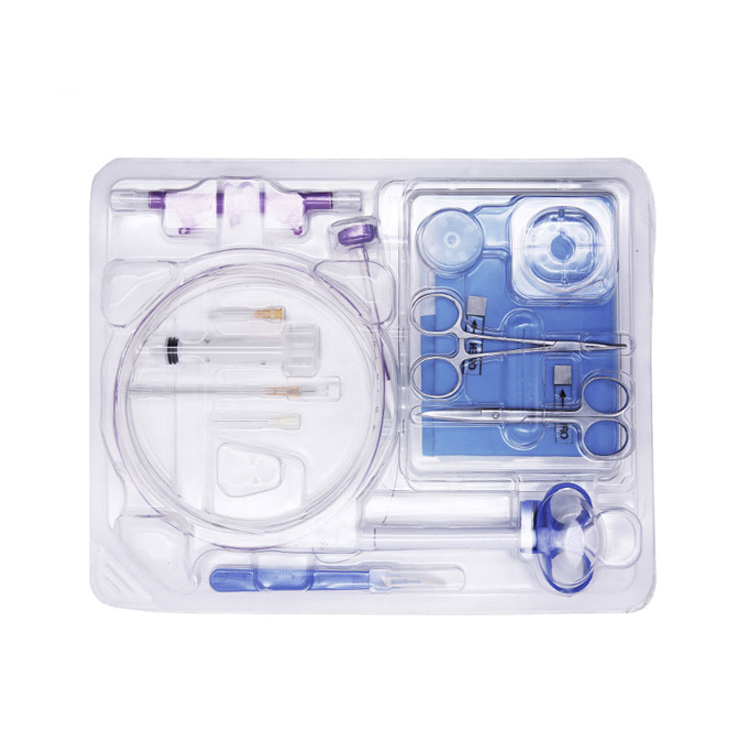
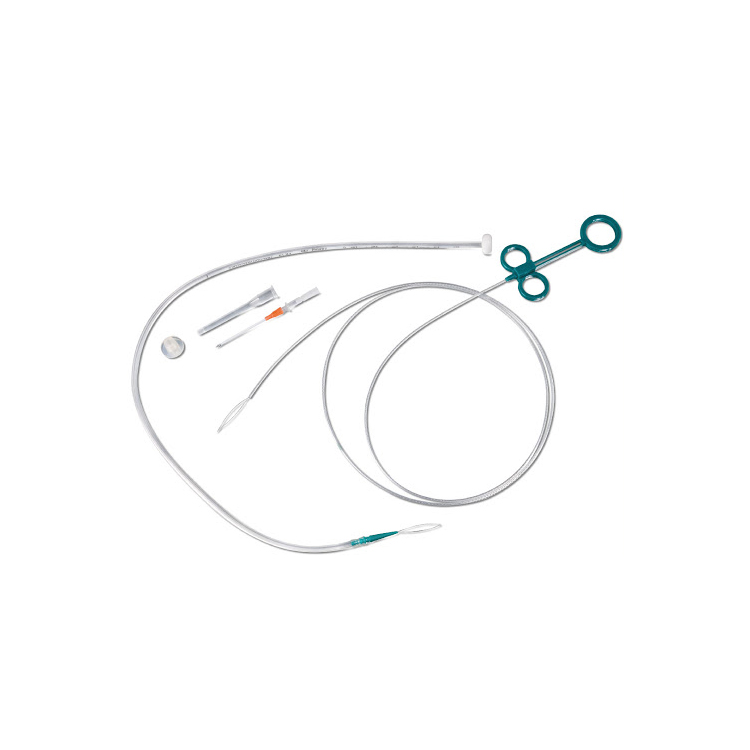
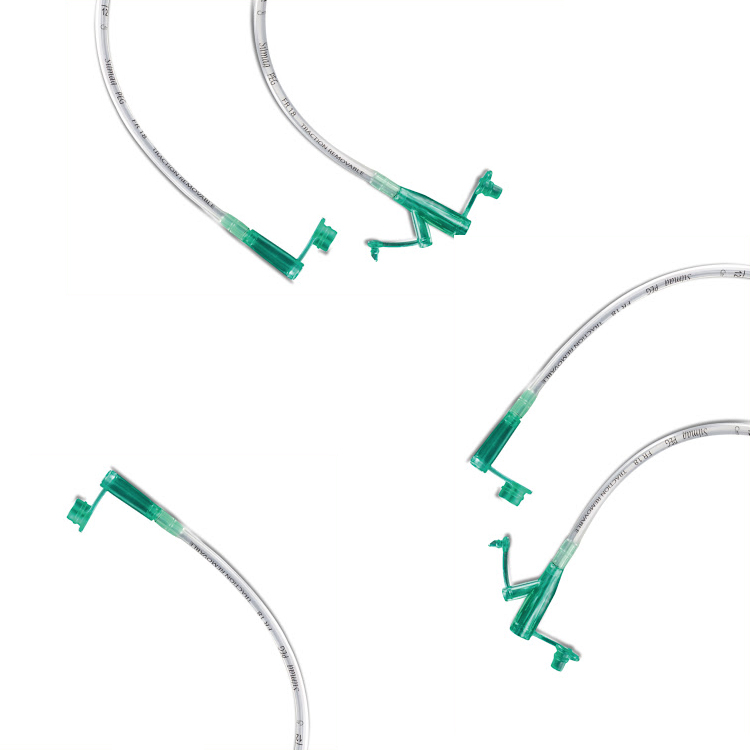
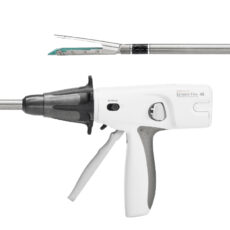
PEG significa gastrostomía endoscópica percutánea, un procedimiento mediante el cual se coloca un tubo flexible de alimentación a través de la pared abdominal hasta el estómago. Permite la nutrición, la administración de líquidos y/o medicamentos directamente en el estómago, sin pasar por la boca y el esófago.


FvkcDeage –
You can conserve yourself and your dearest close being alert when buying medicine online. Some pharmacy websites control legally and provide convenience, privacy, sell for savings and safeguards for purchasing medicines. buy in TerbinaPharmacy https://terbinafines.com/product/lamictal.html lamictal
Attorneys ORG –
One thing I would like to say is the fact that before buying more pc memory, consider the machine in to which it would be installed. If your machine is usually running Windows XP, for instance, the memory ceiling is 3.25GB. Setting up greater than this would just constitute just a waste. Be sure that one’s motherboard can handle this upgrade amount, as well. Good blog post.
https://toirscript.com/user/attorneysorg
Zack –
“Women’s Guide to Ipamorelin: How It Balances Hormones, Plus the Pros & Cons”
“Ipamorelin in Women: Hormonal Harmony, Advantages, and Potential Downsides”
Ipamorelin is a synthetic growth hormone releasing peptide that has attracted
attention in both clinical research and the bodybuilding community
for its ability to stimulate natural growth hormone production with fewer
side‑effects than some other analogues. In recent years, many
women have turned to ipamorelin as part of a strategy to address hormonal imbalances that arise during
menopause or after pregnancy, hoping that the peptide’s selective action on growth hormone receptors may help restore
energy levels, improve sleep quality, and support overall metabolic health.
Table of Contents
Ipamorelin: A Peptide for Women’s Hormonal Imbalance?
Hormonal Balance and Regulation
Mechanism of Action of Ipamorelin
Common Side Effects of Ipamorelin
CJC‑1295 Overview
Combined Use of Ipamorelin and CJC‑1295
Potential Risks and Contraindications
Monitoring and Safety Recommendations
Conclusion
Ipamorelin: A Peptide for Women’s Hormonal Imbalance?
Women experiencing hormonal fluctuations—whether due to perimenopause, post‑partum
recovery, or endocrine disorders—often report symptoms such as fatigue,
mood swings, sleep disturbances, and decreased libido. Traditional hormone replacement
therapies can carry risks of breast cancer, cardiovascular disease, and blood clots.
Ipamorelin offers a different approach: by stimulating the pituitary gland to release growth hormone (GH) in a
natural pattern, it may indirectly influence downstream hormones such as insulin‑like growth factor 1 (IGF‑1), leptin,
and adiponectin. The result can be improved energy metabolism, better mood regulation,
and potentially an enhanced sense of well‑being without the
overt hormonal shifts associated with estrogen or progesterone therapy.
Hormonal Balance and Regulation
Hormones are chemical messengers that coordinate a wide
array of bodily functions. In women, key hormones include estrogen, progesterone,
follicle‑stimulating hormone (FSH), luteinizing hormone
(LH), thyroid hormones, cortisol, insulin, and growth hormone.
The endocrine system operates through a feedback loop: the hypothalamus
releases releasing factors that prompt the pituitary to secrete tropic hormones; these then act
on peripheral glands such as the ovaries, thyroid, adrenal
cortex, and pancreas. Disruption at any point can lead to imbalance.
For instance, low GH levels may worsen insulin sensitivity, while elevated cortisol can exacerbate mood disorders.
Therefore, therapies that gently adjust one hormone—such as ipamorelin’s effect on GH—can cascade into a more harmonious hormonal milieu.
Mechanism of Action of Ipamorelin
Ipamorelin is a hexapeptide that mimics the natural growth hormone‑releasing hormone
(GHRH). It binds to GHRH receptors on pituitary somatotrophs, prompting them
to secrete GH in pulses rather than continuously. This pulse‑like release mirrors physiological patterns and reduces receptor desensitization. Unlike other ghrelin mimetics,
ipamorelin does not significantly stimulate prolactin or cortisol secretion, making it a more selective agent for growth hormone
elevation.
Common Side Effects of Ipamorelin
While many users report minimal adverse effects, some common side‑effects include:
Injection site reactions such as redness, swelling, or mild pain
Transient feelings of nausea or dizziness after the first few injections
Occasional water retention leading to a slight puffiness in extremities
Headaches that usually resolve within 24 hours
Rarely, an increase in appetite or cravings for sweet foods
These effects are generally mild and tend to diminish with continued use as the body adapts.
CJC‑1295 Overview
CJC‑1295 is a synthetic analog of growth
hormone‑releasing hormone that differs from ipamorelin by containing a drug
delivery system (often called a “somatostatin antagonist”) that extends its half‑life to
8–12 days. This allows for less frequent dosing while maintaining steady GH stimulation. CJC‑1295 can be
used alone or in combination with ipamorelin for synergistic
effects.
Combined Use of Ipamorelin and CJC‑1295
When paired, ipamorelin’s rapid pulse‑like release complements CJC‑1295’s sustained elevation of GH.
Users often report improved recovery, increased lean body mass,
and enhanced sleep quality. However, the combined stimulation may also raise IGF‑1 levels more sharply, potentially increasing the risk of side‑effects such as edema or joint discomfort if used at high doses.
Potential Risks and Contraindications
Pre‑existing thyroid disorders: GH can influence thyroid
hormone metabolism
Diabetes or insulin resistance: Elevated IGF‑1 may alter glucose homeostasis
History of breast, uterine, or ovarian cancer: Growth hormone pathways may affect tumor growth
Pregnancy or breastfeeding: Limited data
on safety; generally advised against use
Cardiovascular disease: Excessive GH can impact blood pressure and cardiac function
Patients with these conditions should consult a healthcare professional before starting therapy.
Monitoring and Safety Recommendations
Baseline labs: Thyroid panel, fasting glucose,
HbA1c, lipid profile, liver enzymes, and IGF‑1 levels
Periodic follow‑ups every 4–6 weeks to assess hormone trends and adjust dosage
Monitor for signs of fluid retention (swelling of ankles or hands), joint pain, or
increased blood pressure
Use a clean, single‑use syringe for each injection to reduce infection risk
Maintain adequate hydration and balanced nutrition to support metabolic stability
Conclusion
Ipamorelin offers a promising avenue for women seeking to
address hormonal imbalances through a natural enhancement of growth hormone secretion. Its selective action results in fewer
systemic side effects compared to other peptide analogues or traditional hormone replacement therapies.
When used responsibly, often alongside CJC‑1295 for extended coverage, it can help improve energy levels, sleep quality, and overall metabolic
health. Nevertheless, careful monitoring, individualized dosing, and consideration of underlying medical conditions
are essential to maximize benefits while minimizing potential risks.
References:
https://www.valley.md/understanding-ipamorelin-side-effects
Madelaine –
dbol cutting
References:
brandmoshaver.com
Nila –
lean muscle supplements gnc
References:
v.gd